// Grains, Flours & Functional Starches — Bulk Supplier India

Functional Grains, Flours & Starches: Clean-Label Ingredients for Food, Supplement & Nutraceutical Applications

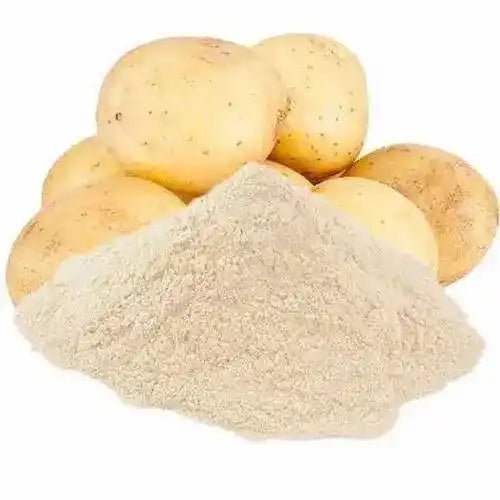
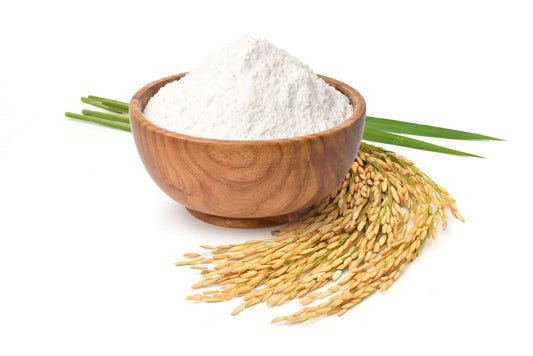
This collection covers functional grain-derived ingredients — speciality flours, starches, fibre concentrates, and grain powders used in food formulation, nutraceutical manufacturing, and functional food development. Products range from konjac flour and glucomannan — the most commercially significant functional fibre ingredient for keto, low-carb, and weight management applications — to arrowroot starch, chickpea flour, rice flour, and other grain-derived functional ingredients sourced from India.

India is a major producer of grain-derived functional ingredients — chickpea, lentil, rice, sorghum, and speciality starches are produced at scale with established export infrastructure. As new grain-derived products are added to the Herbuno range, they will appear in this collection.

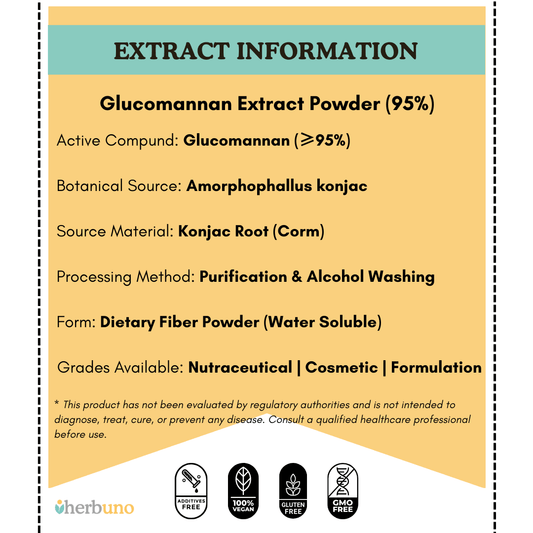
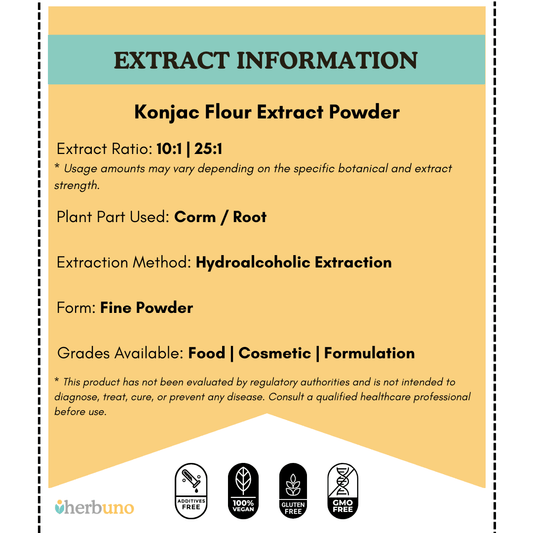
Konjac flour and glucomannan — the key specification questions: Konjac flour and purified glucomannan powder are different grades of the same raw material. Konjac flour is mechanically milled konjac tuber — typically 40–60% glucomannan content. Purified glucomannan (konjac gum) is further processed by ethanol washing to reach 70–90%+ glucomannan purity. For supplement label claims specifying glucomannan content, the purified grade is required. For food applications — noodles, gels, thickeners — konjac flour or standard glucomannan grades are appropriate. Confirm glucomannan percentage and viscosity grade at enquiry for your specific application.
Konjac Flour Bulk Glucomannan Powder Konjac Glucomannan Supplier Functional Fibre Ingredient Keto Ingredient Supplier Arrowroot Starch Bulk Chickpea Flour Wholesale Clean-Label Thickener India Grain Supplier Food Ingredient Wholesale
Get A Quote

Can't find your product here? Get in touch and we will source it for you!

// Who Sources From This Collection

Serving Food Manufacturers, Supplement Brands, and Functional Food Developers

🍜

Food Manufacturers & Functional Food Brands

Konjac flour and glucomannan for shirataki noodles, konjac rice, keto pasta, and low-calorie gelled food applications. The extraordinary water-binding capacity of glucomannan — absorbing up to 50x its weight in water — enables zero-calorie noodle and rice replacements with no compromise on texture. Viscosity grade and glucomannan percentage are the key specification parameters for food applications.

Shirataki Noodles Konjac Rice Keto Food Food Thickener
💊

Nutraceutical & Supplement Brands

Glucomannan (konjac extract) carries an EU health claim for contribution to weight maintenance when consumed before meals with adequate water. Supplement products targeting weight management, appetite control, cholesterol management, or blood glucose support may incorporate purified glucomannan powder. EU claim requires 1g per serving — confirm glucomannan purity grade (minimum 60%) and CoA for regulatory file.

EU Health Claim Weight Management Glucomannan Capsule Appetite Control
🥐

Bakery, Snack & Gluten-Free Manufacturers

Chickpea flour, arrowroot starch, rice flour, and other grain-derived powders for gluten-free baking, protein-enriched snacks, clean-label binding, and thickening applications. Indian-sourced chickpea and lentil flours carry recognised protein content and are used in high-protein snack formulations, pulse-based pasta, and functional food fortification across US, EU, and Australian markets.

Gluten-Free Baking Chickpea Flour Arrowroot Starch Clean-Label Binder

// Quality & Documentation

What Ships With Every Order

Food
Grade
Processing
HACCP
Certified
Facilities
12–24
Month
Shelf Life
72hr
Express Air
Available
  • Certificate of Analysis (CoA) — per-lot document covering identity, glucomannan percentage (for konjac products), heavy metals, microbial count, moisture content. Viscosity grade stated for konjac/glucomannan where applicable.
  • Safety Data Sheet (SDS) — GHS-compliant, issued as standard with every order.
  • Allergen Declaration, Phytosanitary Certificate, Certificate of Origin — available on request. Associated costs apply for Phyto and COO.

// Common Questions

Frequently Asked Questions

What is the difference between konjac flour and purified glucomannan powder? +
Konjac flour is mechanically milled konjac tuber — it contains 40–60% glucomannan along with starch, protein, and other tuber constituents. Purified glucomannan (konjac gum) is produced by washing konjac flour with ethanol to remove starch and other non-glucomannan components, resulting in 70–90%+ glucomannan purity. For supplement applications where label claims reference a specific glucomannan dose or where EU health claim compliance is required, purified glucomannan at confirmed purity is the appropriate specification. For food applications — noodles, gels, thickeners — standard konjac flour or standard glucomannan grades typically suffice. Contact us with your glucomannan percentage requirement and we will confirm the right grade.
Does glucomannan carry a health claim in the EU? +
Yes. The European Food Safety Authority (EFSA) has approved a health claim for glucomannan under EU Regulation 432/2012: "Glucomannan contributes to the maintenance of normal blood cholesterol levels" and "Glucomannan in the context of an energy-restricted diet contributes to weight loss." The claim requires 4g of glucomannan per day for cholesterol, and 1g consumed three times per day before main meals for weight maintenance, with adequate water. The CoA must confirm glucomannan content at or above the required percentage to support label claim compliance. Confirm your required glucomannan percentage at order stage.
What viscosity grades are available for konjac glucomannan? +
Viscosity is the critical functional parameter for konjac/glucomannan in food applications — it determines gelling strength, water-binding capacity, and texture in the finished product. Viscosity is measured in mPa·s (millipascal-seconds) at a standardised concentration and temperature. Higher viscosity grades produce stronger gels and require lower use levels. Standard grades range from 15,000–25,000 mPa·s for general food use; high-viscosity grades reach 35,000–50,000 mPa·s for speciality applications. Contact us with your viscosity requirement and application for grade confirmation and pricing.
What is the MOQ and are samples available? +
Standard MOQ is 1 kg for most products in this collection. Samples with CoA are available before bulk commitment. For konjac flour and glucomannan, we recommend requesting a sample to confirm viscosity grade and sensory profile in your specific formulation matrix before bulk ordering. Contact us with your application details for a targeted recommendation.

Pick up where you left off

Recently Viewed