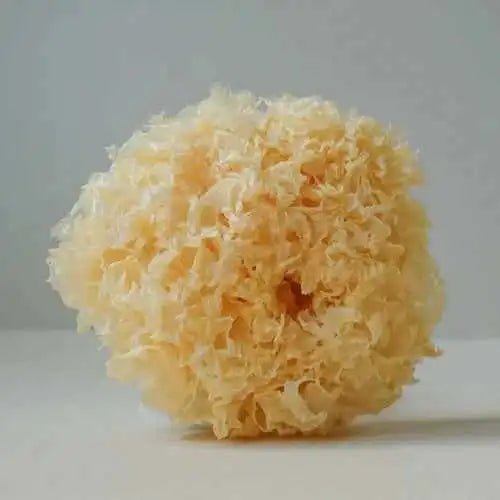
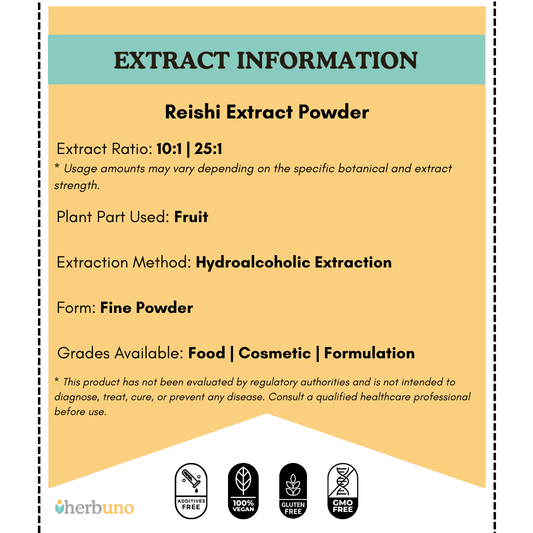
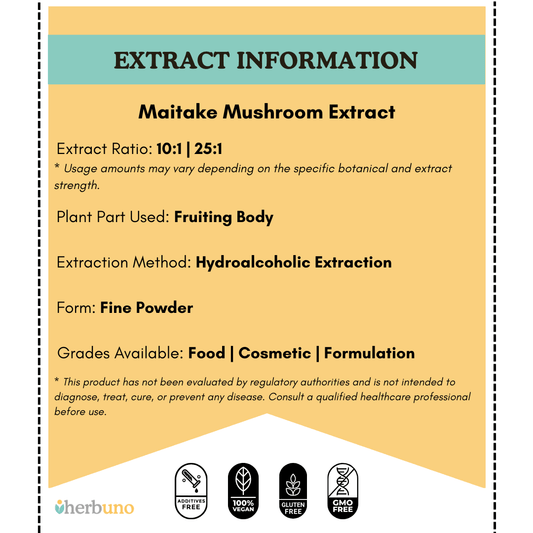
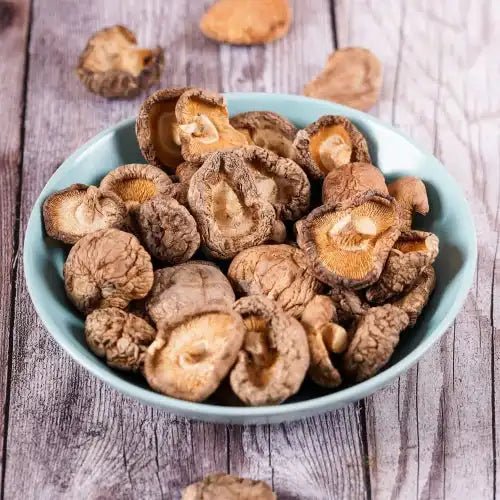
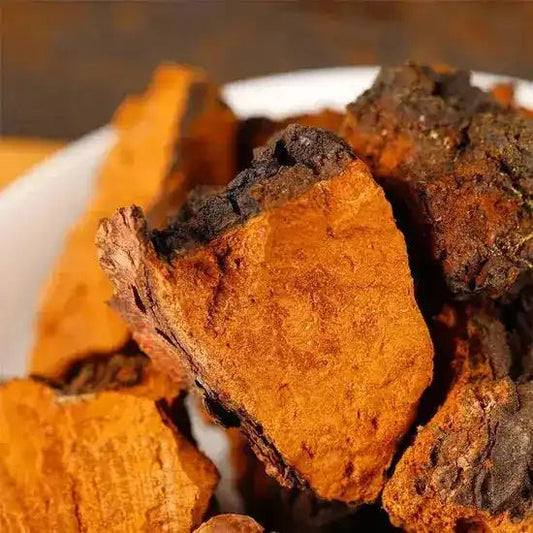
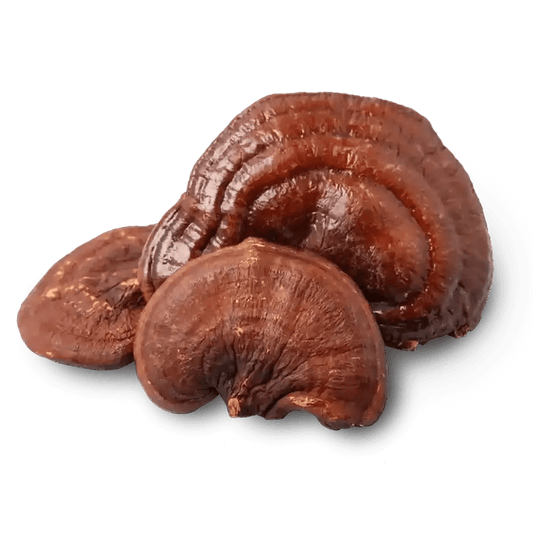
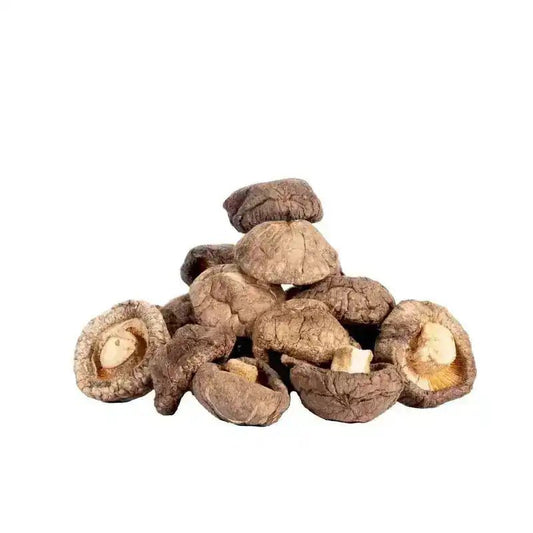
Grzyby lecznicze

// Ekstrakty z grzybów leczniczych — dostawca hurtowy

Ekstrakty z grzybów leczniczych: standaryzowane na beta-glukany, wszystkie postacie

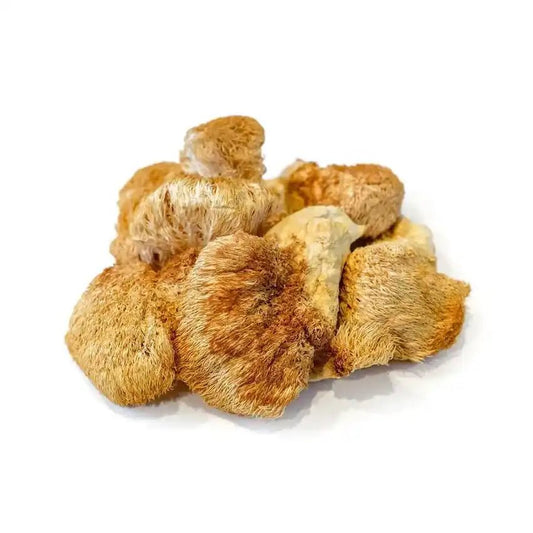
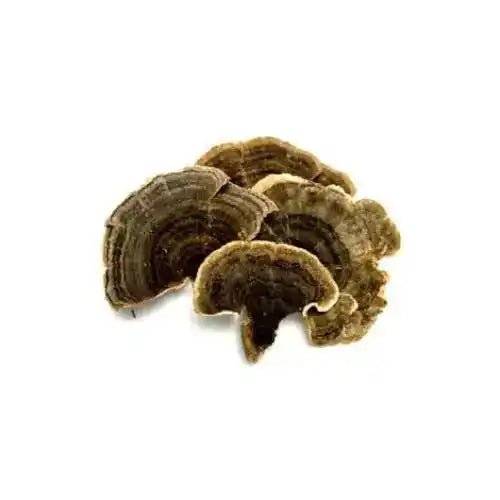
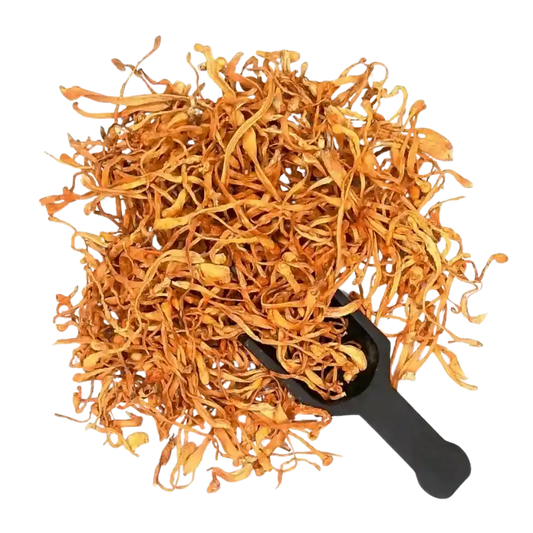
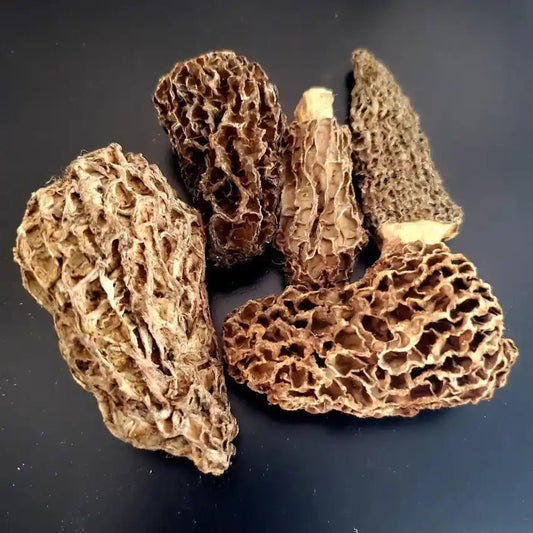
Grzyby lecznicze — Reishi, soplówka jeżowata (Lion's Mane), wrośniak różnobarwny (Turkey Tail), Chaga, Cordyceps, Shiitake, Maitake — należą do najważniejszych pod względem komercyjnym składników funkcjonalnych na światowym rynku nutraceutyków, którego wartość według prognoz przekroczy 33 mld USD do 2034 roku. Ich głównymi związkami bioaktywnymi są polisacharydy beta-glukanowe, a w przypadku Reishi także triterpeny (kwasy ganodermowe) — związki z obszernym zapleczem badawczym w zakresie immunomodulacji, wsparcia funkcji poznawczych i działania adaptogennego.

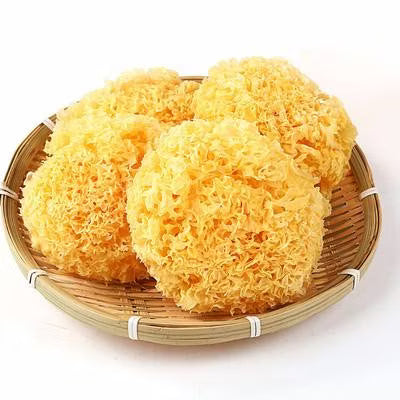
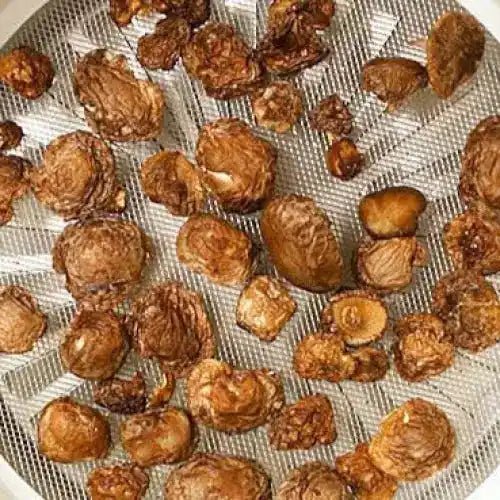
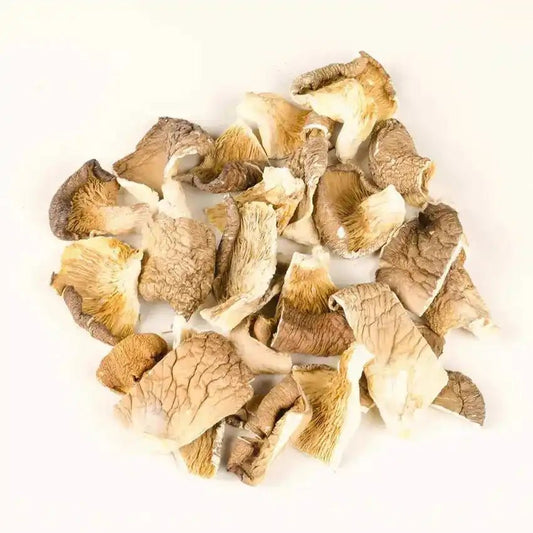
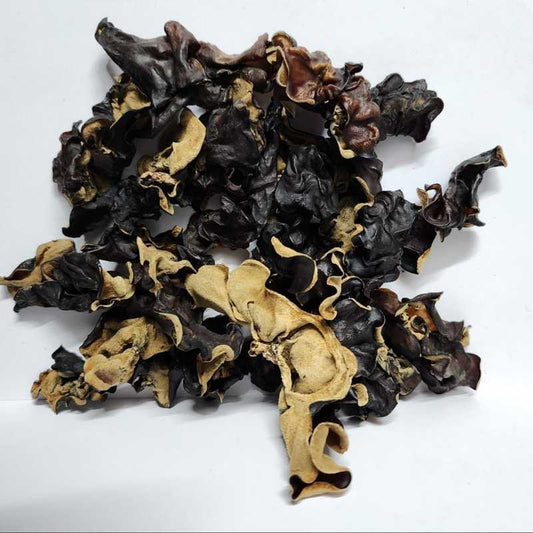
Ta kolekcja obejmuje ekstrakty z grzybów leczniczych we wszystkich postaciach oferowanych przez Herbuno — standaryzowane ekstrakty w proszku, ekstrakty podwójne, suszone całe grzyby oraz postacie suszone. Nowe gatunki i postacie są dodawane w miarę ich dostępności. Filtry pozwalają zawęzić wybór według gatunku lub postaci odpowiedniej do danego zastosowania.

Owocnik czy grzybnia — najważniejsze pytanie przy zakupie surowców grzybowych: Ekstrakty z owocników są wytwarzane z dojrzałego grzyba — części zawierającej skoncentrowane polisacharydy beta-glukanowe i triterpeny specyficzne dla gatunku. Produkty typu „grzybnia na ziarnie” powstają przez hodowlę grzybni na podłożu zbożowym (zwykle ryżu lub owsie) i przetworzenie całego podłoża — co oznacza, że znaczną część gotowego proszku stanowi skrobia ze zboża, a nie związki grzybowe. Zawartość beta-glukanów w produktach typu „grzybnia na ziarnie” jest stale niższa niż w ekstraktach z owocników. Przed zamówieniem jakiegokolwiek ekstraktu grzybowego należy zawsze sprawdzić część surowca podaną w CoA i poprosić o procentową zawartość beta-glukanów.
Jak prawidłowo wyspecyfikować ekstrakt z grzybów leczniczych: Pełna specyfikacja ekstraktu grzybowego powinna podawać: łacińską nazwę gatunku (np. Ganoderma lucidum), część surowca (owocnik, grzybnia lub cały grzyb), metodę ekstrakcji (wodą gorącą, etanolem lub podwójną — woda + etanol), procentową zawartość beta-glukanów oznaczoną podaną metodą oraz, w stosownych przypadkach, procentową zawartość polisacharydów. W przypadku reishi dodatkowym wyznacznikiem jakości jest procentowa zawartość triterpenów (kwasów ganodermowych). Zob. HerbIQ – filar 01: Anatomia roślin – sekcja „Królestwo grzybów” omawia budowę tkanek grzybów i rozmieszczenie związków.
Get A Quote

Can't find your product here? Get in touch and we will source it for you!

// Who Sources Medicinal Mushrooms From Herbuno

Serving Supplement Brands, Functional Food Manufacturers, and Beverage Developers

🧪

Supplement Brands & Contract Manufacturers

Standardised mushroom extract powders for capsule, tablet, sachet, and gummy formulations. Beta-glucan percentage verified on the CoA is the critical specification — confirm plant part (fruiting body) and extraction method (hot water or dual extract) before ordering. CoA with beta-glucan assay and heavy metals included as standard.

Beta-Glucan Verified Fruiting Body Capsule Grade Dual Extract Available
☕

Functional Beverage & Coffee Brands

Mushroom coffee blends, functional teas, and adaptogen beverages are one of the fastest-growing supplement categories. Water-soluble mushroom extract powders integrate directly into hot and cold beverage formulations. Confirm dispersibility at your target concentration and evaluate sensory profile — mushroom extracts have characteristic earthy notes that vary significantly by species and extraction method.

Mushroom Coffee Functional Tea Water Dispersible Adaptogen Blend
🍽️

Functional Food & Wellness Brand Developers

Dehydrated whole mushroom, dried slices, and mushroom powders for culinary functional food applications — soups, broths, snacks, and fortified food products. Whole mushroom formats preserve the visual identity of the species and the full compound matrix. Extract powders allow precise dosing in compact formulation spaces.

Whole Mushroom Dehydrated Formats Functional Food Culinary Grade

// Quality & Documentation

What Ships With Every Mushroom Extract Order

β-Glucan
Content
Verified
Per-Lot
CoA
Issued
18-36
Month
Shelf Life
72hr
Express Air
Available
  • ✓ Certificate of Analysis (CoA) — per-lot document covering species identity, plant part (fruiting body confirmed), beta-glucan percentage, heavy metals, microbial count, moisture. Polysaccharide percentage and triterpene content (Reishi) included where applicable.
  • ✓ Safety Data Sheet (SDS) — GHS-compliant, issued as standard with every order.
  • ◎ Allergen Declaration, Phytosanitary Certificate, Certificate of Origin — available on request. Associated costs apply for Phyto and COO. Request at time of order.

// Common Questions

Medicinal Mushroom Extracts — Frequently Asked Questions

What is the difference between a fruiting body extract and a mycelium extract? +
The fruiting body is the mature mushroom — the visible structure that contains concentrated beta-glucan polysaccharides and species-specific compounds like triterpenes in Reishi. Fruiting body extracts are produced from this material and deliver high beta-glucan content. Mycelium-on-grain products are produced by growing fungal mycelium on a grain substrate (rice, oats) and processing the entire substrate — a significant proportion of the finished powder is starch from the grain, not mushroom compounds. Beta-glucan content in mycelium-on-grain products is consistently and substantially lower than fruiting body extracts. All extract powders in this collection are confirmed as fruiting body material on the CoA — plant part is stated explicitly.
What is a dual extract and when is it necessary? +
A dual extract uses both hot water extraction and ethanol extraction sequentially on the same mushroom material. Hot water extraction captures water-soluble compounds — primarily beta-glucan polysaccharides. Ethanol extraction captures fat-soluble compounds — primarily triterpenes in Reishi (ganoderic acids) and other lipophilic actives. For Reishi, a dual extract is the appropriate specification when both the immune-supporting (beta-glucan) and adaptogenic/hepatoprotective (triterpene) compound fractions are required in the finished product. For Lion's Mane, Turkey Tail, and Chaga, hot water extraction alone captures the primary bioactive fraction.
What beta-glucan percentage should I specify? +
The majority of commercially available medicinal mushroom extracts are standardised to 20%-40% beta-glucan content depending on species and extraction method. Reishi extracts typically range from 20%-30% polysaccharides with 2%-6% triterpenes. Lion's Mane ranges from 20%-30% beta-glucans. Turkey Tail (PSK/PSP-rich) typically 20%-40% polysaccharides. Higher percentages indicate either more concentrated extraction or a higher-grade starting material — verify by requesting the beta-glucan assay method on the CoA, as colorimetric vs HPLC methods give different figures for the same material.
What is the MOQ and are samples available? +
Standard MOQ is 1 kg for most mushroom extract powders in this collection. Samples with CoA and SDS are available before bulk commitment — contact us with the species, extract type, and beta-glucan target. For dehydrated whole mushroom and dried formats, MOQ varies by species — contact us for current availability and pricing.

Kontynuacja od miejsca, w którym skończyli Państwo przeglądanie

Ostatnio oglądane